
A new documentary explores the complex history between (Ayiti) Haiti and the Dominican Republic
Editor’s note: Throughout this article Haiti is referred to using the native name of the island. Ayiti (I-EE-TEE) is the indigenous Taino and Kreyol word for Haiti and Ayisyen (I-EE-CEE-EN) is the Kreyol word for Haitian.
By Imani Jean-Gilles
NEW YORK — A new documentary, now airing on PBS, explores the complex history and present-day politics of Ayiti (Haiti) and the Dominican Republic.
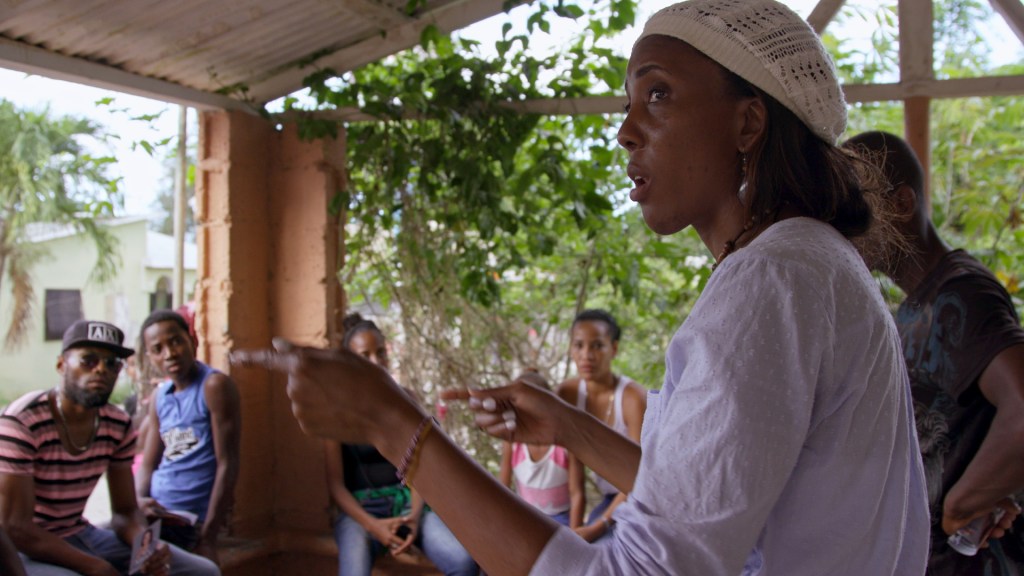
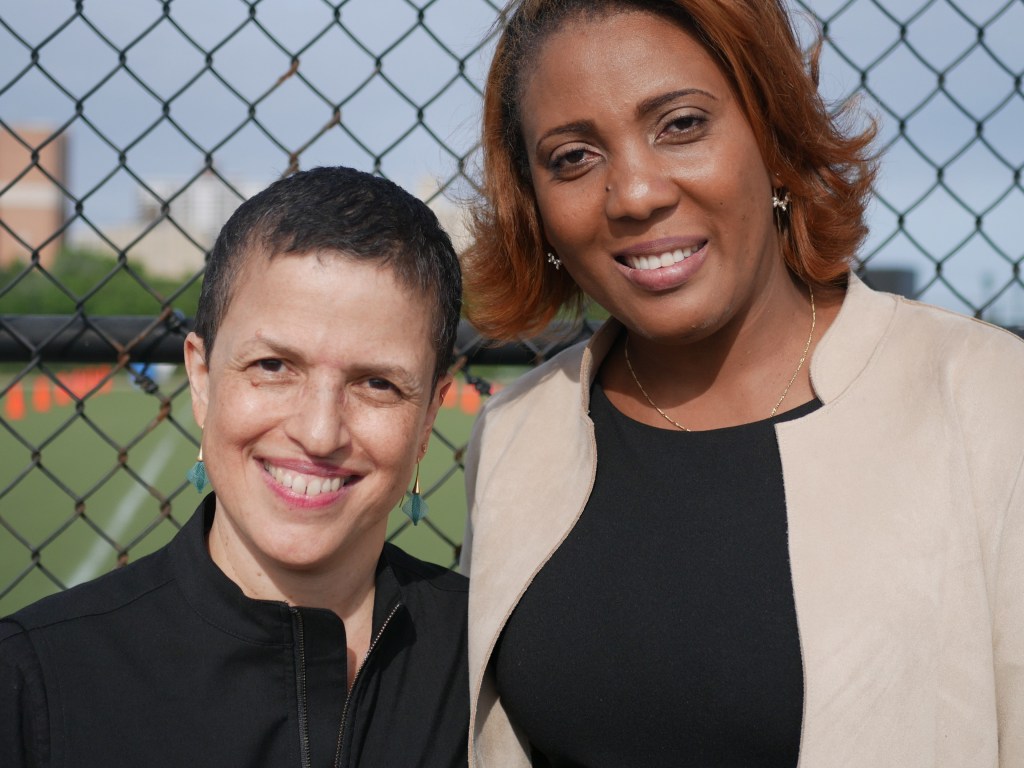
The film “Stateless,” directed by Michèle Stephenson, focuses on the grassroots electoral campaign of a young attorney named Rosa Iris Diendomi-Álvarez.
Stephenson, a Panamanian- Ayisyen (Haitian) documentary filmmaker based in Brooklyn, co-founded RADA Studio to focus on films centered on social justice produced by and for people of color, BIPOC identifiers.
“This story is very personal to me; I am originally from the island, and I was born in Ayiti. I grew up hearing stories about the Dominican Republic and having family members that married Dominicans,” she said. “The relationship between the Dominican Republic and Ayiti is a complicated one, they can be seen as brother and sister. On the other hand, the effects of white supremacy have divided the island.”
Stephenson said she wanted to unpack the anti-blackness on the island.
“We are unpacking what anti-blackness looks like when it’s between ourselves, on this island, and understanding how deep it is,” said Stevenson. “ I felt compelled when back in 2013 Dominican Republic’s Supreme Court made its decision and I started researching how to tell the story of anti-blackness.” she continued “What does it mean? What power does it hold? How does the state decide who belongs and who doesn’t?“
In 1937, tens of thousands of Ayisyens and Dominicans of Ayisyen descent were ethnically cleansed by the Dominican army, based on anti-black hatred instigated by the Dominican government. Move forward to 2013, the Dominican Republic’s Supreme Court stripped the citizenship of anyone with non-Dominican ancestry born after 1929, used this new law to specifically target Ayisyen parents and people that have distant Ayisyen ancestry.
Rosa Iris Diendomi-Álvarez, the main protagonist of “Stateless,” was born in the Dominican Republic to an Ayisyen father and a Dominican mother. She was inspired to become an activist in 2007 when seeing her peers that she grew up with could not get their national identity cards because of being Ayisyen.
“When they went to the General Directorate of Civil Registry Offices of the Republic to get their identification, they were not allowed to get it because their parents were Ayisiyen,” said Diendomi-Alvarez. “Why is someone that is born in the Dominican Republic, a Spanish speaker, raised in the Dominican Republic denied access to citizenship?. It’s an injustice against my brothers and sisters. Since then I’ve been inspired to be vocal for my community and to eventually change the law.”
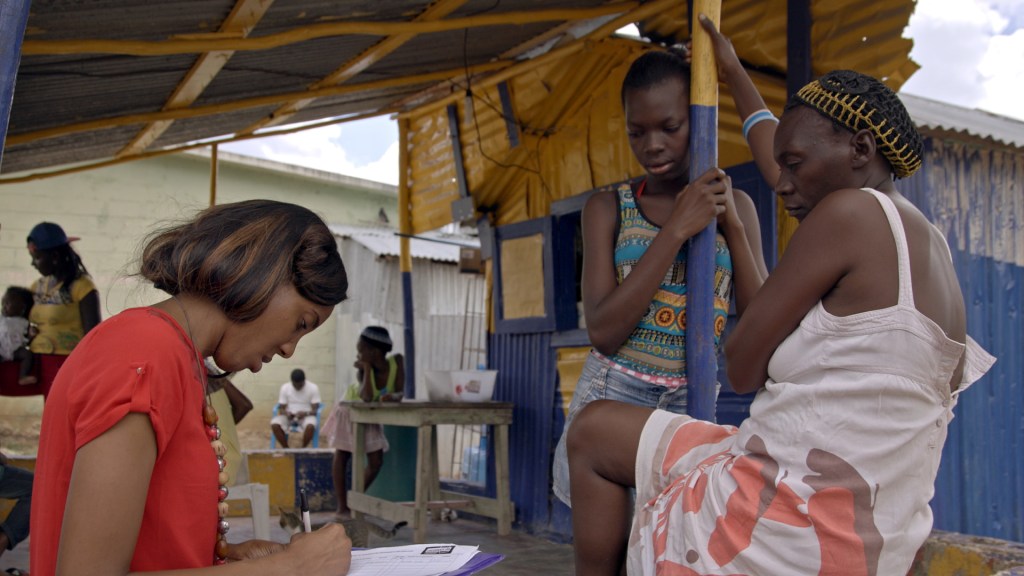
The 2013 ruling rendered more than 200,000 people stateless, without nationality, identity, or a homeland. In this dangerous climate, a young attorney named Rosa Iris mounts a grassroots campaign, challenging electoral corruption and advocating for social justice.
“Stateless” traces the complex tributaries of history and present-day politics, as state-sanctioned racism seeps into mundane offices, living room meetings, and street protests.
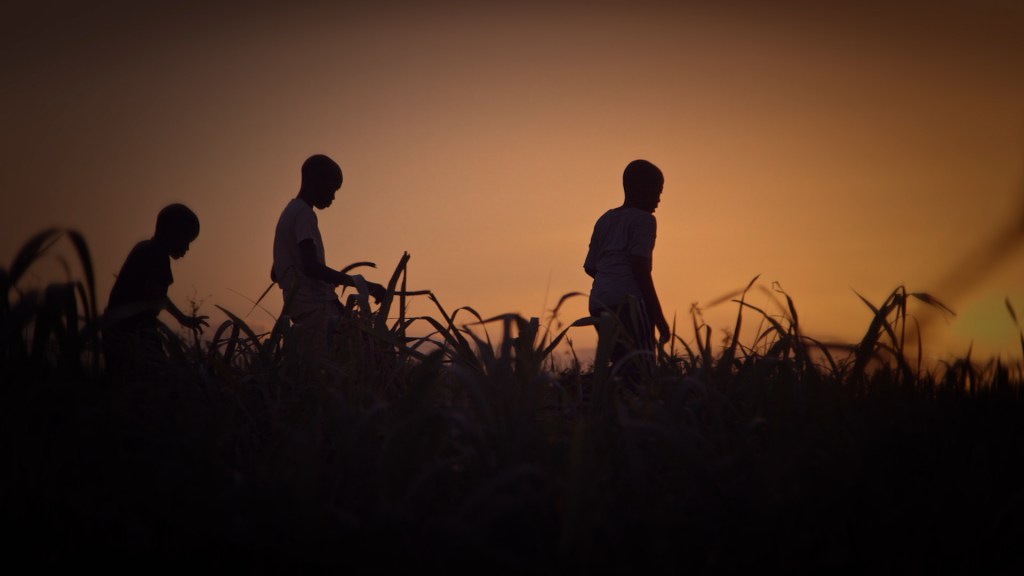
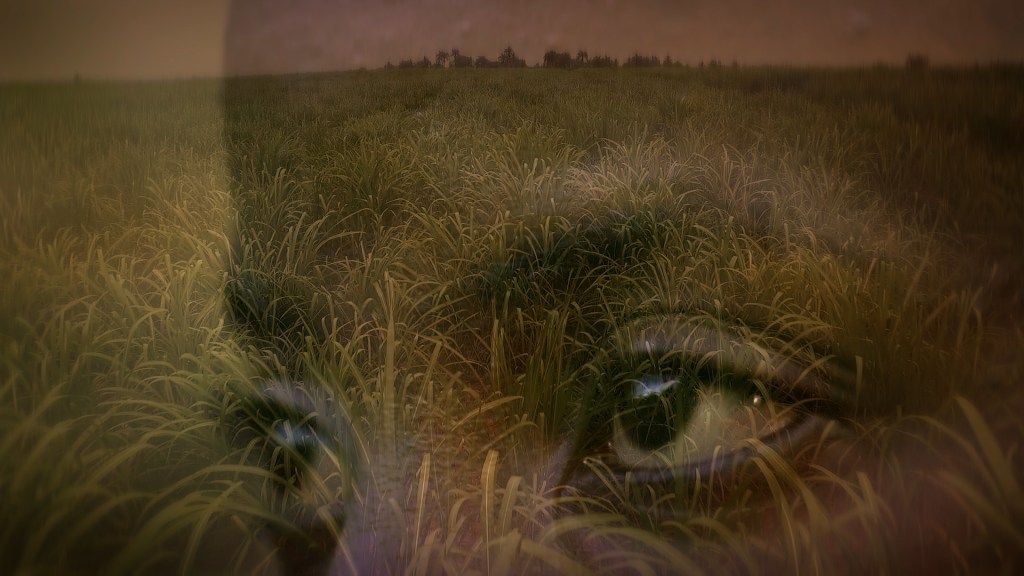
The film infuses the history of the island and elements of realism, “Stateless” combines gritty hidden-camera footage with the legend of a young woman fleeing brutal violence to flip the narrative axis, revealing the depths of institutionalized oppression.
“We must be unified, the issues that Ayisyen in the Dominican Republic have is that we are discriminated against and it’s not good any authority you’re expected to respect the law respect the law of assurance and dignity turn we believe that any country should hold should abide by their laws,” said Diendomi-Alvarez. “People cannot study, people cannot finish university, people can’t find work, it’s a complete injustice. People who don’t have their papers live as if they’re dead, though they are alive, they can’t do anything or have rights in our society.”
“Stateless” has its national broadcast premiere on the PBS documentary series POV on July 19.

 Imani Jean-Gilles